The real cost of missed deliveries
By Brad North
Here's a number that should make any business owner pay attention: failed and missed deliveries cost New Zealand businesses an estimated $200 million per year. That's not just the direct cost of re-delivery — it's the ripple effect through customer relationships, operational efficiency, and brand reputation.
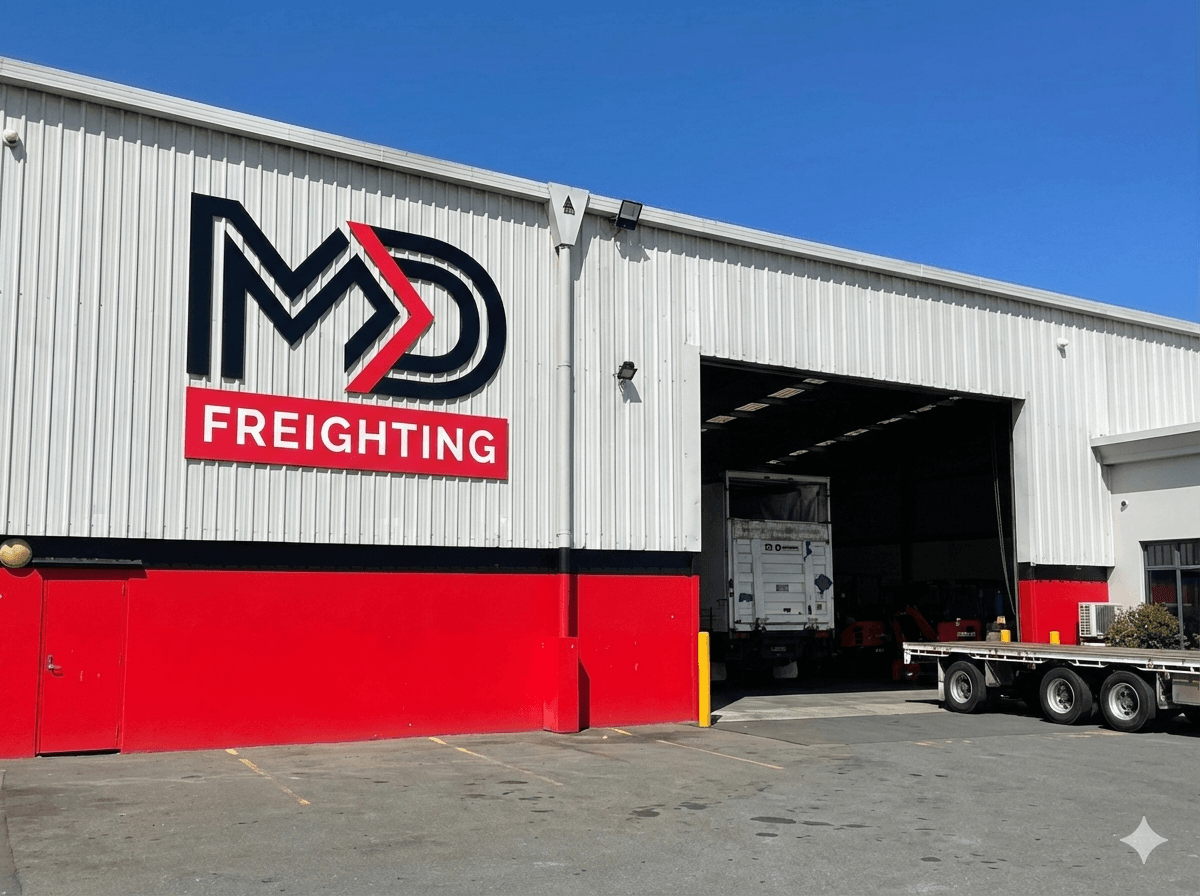
At MD Freighting, we've seen firsthand what happens when deliveries go wrong — and more importantly, what it takes to get them right consistently. Let's break down the real cost.
The direct costs are just the start
When a delivery fails, the obvious cost is running the truck again. Fuel, driver time, vehicle wear — you're essentially paying twice for the same job. For a typical regional delivery, that's $80-$150 in direct costs per re-attempt.
But that's the easy number. The harder costs to measure are often bigger:
- Customer compensation — credits, refunds, or discounts to smooth things over
- Admin overhead — staff time spent on phone calls, emails, and rescheduling
- Warehouse costs — storing returned or undelivered goods until they can go out again
- Spoilage — for perishable goods, a missed delivery window can mean a total write-off
The hidden cost: trust
The most expensive consequence of missed deliveries doesn't show up on any invoice. It's the erosion of trust.
When a business promises their customer a delivery on Tuesday and it doesn't show, that business looks unreliable — even though it was the freight company that dropped the ball. Your customer doesn't blame the courier. They blame you.
We've spoken to businesses who've lost long-standing accounts over delivery reliability. One Marlborough manufacturer told us they lost a $400,000-per-year contract because their previous freight provider missed three deliveries in a month. Three deliveries. That's the margin for error.
Why deliveries fail
In our experience, the most common causes of failed deliveries are:
- Poor communication — the receiver didn't know the delivery was coming, or the driver didn't have the right contact details
- Access issues — no one available to receive, locked gates, or unclear delivery instructions
- Capacity problems — the freight company overcommitted and couldn't fit everything on the run
- No visibility — when no one can see where the delivery is, problems only surface after it's too late
What you can do about it
The good news is that most delivery failures are preventable. Here's what we recommend:
Choose a freight partner, not just a freight company. The cheapest quote often comes with the least reliability. Look for a provider who communicates proactively and has systems to track and manage deliveries in real time.
Provide clear delivery instructions. Site access details, receiver contact numbers, preferred delivery windows — the more information your freight company has, the better the outcome.
Use tracking. Real-time GPS tracking means you and your customer can see exactly where the delivery is. No more "it should be there by now" phone calls.
Review your delivery data. If you're seeing a pattern of failures — same route, same day, same type of freight — there's usually a systemic fix available.
Our approach
At MD Freighting, we track every delivery and every exception. When something goes wrong, we don't just fix it — we figure out why it happened and how to prevent it next time. Our GPS tracking, electronic proof of delivery, and direct communication lines mean problems get caught early, not after the customer calls to complain.
Reliable delivery isn't glamorous, but it's the foundation that every other part of your business depends on. If you're not confident in your current freight provider's reliability, it might be time for a conversation.